


-20419.png)
How to Choose Biology Research Topics That Work
Not all biology research topics are created equal. Some sound interesting but lack available sources. Others are so broad you could write a textbook instead of a research paper. Here's a practical framework to help you choose topics that actually work.
Ask yourself these four questions before committing to a topic:
1. Is There Sufficient Literature?
You need credible sources to write a research paper. Check if peer-reviewed journals, textbooks, and scientific databases have information on your topic before you commit.
Topics that are too new or extremely niche might not have enough research yet. For example, "CRISPR applications in cancer treatment" has tons of literature because it's been studied for years. But "gene editing in hypothetical alien species" has zero credible sources.
2. Can You Narrow It Down?
"Evolution" is way too broad for a 10-page research paper. You could write an entire book on that topic and still not cover everything.
"Natural selection in antibiotic-resistant bacteria" is much more manageable. It's still interesting, but focused enough to research thoroughly.
Use the WHO, WHAT, WHERE, WHEN, WHY, and HOW questions to narrow broad topics. Who's affected? What mechanism is involved? Where does it occur? These questions help you focus.
3. Does It Match Your Level?
High school students should look for topics with accessible literature and observable phenomena. Think about natural selection in local species, plant growth experiments, or basic human physiology.
College students can tackle more complex mechanisms, cutting-edge research, and methodology-focused topics. You might explore molecular mechanisms of disease, advanced genetics techniques like CRISPR, or neuroscience pathways.
4. Does It Genuinely Interest You?
You'll spend weeks researching this topic. You'll read dozens of papers, take notes, write drafts, and revise. If the topic bores you from day one, that's going to show in your writing.
Pick something that makes you curious. When you're genuinely interested, research feels less like work and more like solving a puzzle you actually want to solve.
Choose a subfield first (genetics, ecology, microbiology), then narrow down to a specific question within that area. It's easier to focus when you know which corner of biology you're exploring. For help organizing your research once you've chosen a topic, check out our guide on how to write a research question.
Biology Research Topics by Subfield
Biology research topics span numerous subfields, each with its own focus and methodologies. We've organized 250+ topics by area to help you find the perfect fit for your research paper. Browse through the subfields that interest you most, and adapt these topics to match your specific requirements.
Molecular Biology Research Topics
This subfield forms the foundation for understanding everything from genetic inheritance to disease mechanisms.
- How do chaperone proteins prevent protein misfolding in cells?
- Mechanisms of DNA repair in response to ultraviolet radiation damage
- Role of microRNAs in post-transcriptional gene regulation
- Protein-protein interactions in signal transduction pathways
- How do ribozymes catalyze RNA splicing reactions?
- Molecular basis of antibiotic resistance in bacterial populations
- Epigenetic modifications and their role in cancer development
- How do heat shock proteins respond to cellular stress?
- Prion proteins and their connection to neurodegenerative diseases
- Molecular mechanisms of CRISPR-Cas9 gene editing systems
- DNA methylation patterns in gene expression regulation
- How do transcription factors control gene expression?
- Protein degradation through the ubiquitin-proteasome system
- Molecular structure and function of ATP synthase
- How do restriction enzymes recognize and cut DNA sequences?
- Alternative splicing mechanisms in eukaryotic cells
- Molecular basis of telomere shortening and cellular aging
- How do molecular motors transport cargo within cells?
- Protein kinase signaling cascades in cell communication
- DNA replication fidelity and proofreading mechanisms
- How do G-protein coupled receptors transmit signals?
- Molecular mechanisms of DNA recombination in meiosis
- Structure and function of ribosomes in protein synthesis
- How do cells regulate protein folding in the endoplasmic reticulum?
- Molecular basis of horizontal gene transfer in bacteria
Good Topic vs. Too Broad:
Good: "Role of p53 protein in preventing cancer cell proliferation."
Too Broad: "How proteins work."
Genetics and Genomics Research Topics
This field has exploded with new technologies like DNA sequencing and gene editing. It's ideal for students interested in heredity, genetic diseases, evolution, and biotechnology applications.
- Genetic factors contributing to early-onset Alzheimer's disease
- How do genetic mutations lead to sickle cell anemia symptoms?
- Gene therapy approaches for treating inherited genetic disorders
- Population genetics of human migration patterns across continents
- Epigenetic inheritance patterns across multiple generations
- CRISPR applications in developing drought-resistant crops
- Genetic basis of lactose tolerance in human populations
- How do oncogenes contribute to cancer cell development?
- Comparative genomics of primate species and human evolution
- Genetic diversity in endangered species populations
- How does the BRCA1 gene mutation increase breast cancer risk?
- Polygenic inheritance patterns in complex human traits
- Genetic factors influencing human height variation
- How do genetic bottlenecks affect population diversity?
- Mitochondrial DNA inheritance and maternal lineage tracing
- Genetic basis of eye color determination in humans
- How does genetic drift affect small isolated populations?
- Pharmacogenomics and personalized medicine approaches
- Genetic markers for predicting disease susceptibility
- How do chromosomal abnormalities cause Down syndrome?
- Genetic recombination and its role in creating diversity
- Copy number variations and their impact on phenotypes
- How do regulatory genes control development timing?
- Genetic basis of domestication in dogs and cats
- Whole genome sequencing applications in disease diagnosis
Good Topic vs. Too Broad:
Good: "How does the BRCA1 gene mutation increase breast cancer risk?"
Too Broad: "Genetics and disease."
Ecology and Environmental Biology Topics
This subfield matters more than ever as we face climate change, habitat loss, and biodiversity decline.
- Impact of microplastic pollution on marine food chain dynamics
- How does deforestation affect local bird migration patterns?
- Role of keystone species in maintaining ecosystem stability
- Climate change effects on coral reef bleaching worldwide
- Invasive species impact on native plant and animal biodiversity
- How do wetlands filter agricultural and industrial water pollution?
- Urban heat island effects on local wildlife populations
- Nitrogen cycling in agricultural ecosystems and water quality
- Pollinator decline and its impact on global food production
- Succession patterns in forest recovery after wildfire events
- How does agricultural runoff affect nitrogen levels in the Chesapeake Bay?
- Trophic cascades in ecosystems after apex predator removal
- Soil microbiome diversity in organic vs. conventional farming
- How do mangrove forests protect coastlines from storm damage?
- Competition and coexistence among plant species in grasslands
- Effects of ocean acidification on marine invertebrate larvae
- How does habitat fragmentation affect large mammal populations?
- Mycorrhizal networks and tree communication in forests
- Eutrophication in freshwater lakes and its ecological impacts
- How do animals adapt to urban environments?
- Carbon sequestration rates in different forest types
- Effects of light pollution on nocturnal animal behavior
- How does grazing pressure affect grassland plant diversity?
- Bioaccumulation of heavy metals in aquatic food webs
- Restoration ecology techniques for damaged wetland ecosystems
- How does climate change affect timing of bird nesting?
- Invasive plant impacts on soil chemistry and native vegetation
- Effects of dam construction on river ecosystem function
- How do predator-prey relationships stabilize populations?
- Biodiversity hotspots and conservation priority areas
Good Topic vs. Too Broad:
Good: "How does agricultural runoff affect nitrogen levels in the Chesapeake Bay?"
Too Broad: "Environmental problems."
Cell Biology Research Topics
This subfield connects directly to medicine, genetics, and developmental biology.
- How do cells communicate through gap junction channels?
- Mitochondrial dysfunction in Parkinson's and Alzheimer's diseases
- Cell cycle checkpoints and their role in preventing cancer
- Role of lysosomes in autophagy and cellular cleanup
- How do stem cells differentiate into specialized cell types?
- Active and passive transport mechanisms across cell membranes
- Apoptosis vs. necrosis: different pathways of cell death
- How does the endoplasmic reticulum fold and process proteins?
- Cell signaling pathways in immune system responses
- Bacterial cell wall structure and antibiotic resistance mechanisms
- How do cyclin-dependent kinases regulate the cell cycle?
- Cytoskeleton dynamics in cell movement and division
- Receptor-mediated endocytosis in nutrient uptake
- How do cells maintain ion concentration gradients?
- Peroxisome functions in fatty acid metabolism
- Cell adhesion molecules and tissue organization
- How does the Golgi apparatus process and package proteins?
- Calcium signaling in muscle cell contraction
- Programmed cell death in development and tissue maintenance
- How do cancer cells evade apoptosis signals?
- Cilia and flagella structure and function in cells
- Nuclear pore complexes and selective transport regulation
- How do cells sense and respond to mechanical stress?
- Exocytosis mechanisms in neurotransmitter release
- Cell membrane lipid raft organization and signaling
Good Topic vs. Too Broad:
Good: "How do cyclin-dependent kinases regulate the cell cycle?"
Too Broad: "How cells work."
Microbiology Research Topics
This field is critical for understanding infectious diseases, developing antibiotics, and harnessing microbes for biotechnology.
- Antibiotic resistance mechanisms in MRSA infections
- How do bacteriophages infect and destroy bacterial cells?
- Role of gut microbiome diversity in human digestive health
- Probiotic bacteria and their effects on immune function
- How do viruses evade host immune system detection?
- Bacterial biofilm formation on medical implants and devices
- Fungal infections in immunocompromised patient populations
- How do bacteria communicate through quorum sensing signals?
- Microbial role in nitrogen fixation for plant growth
- Archaea survival mechanisms in extreme temperature environments
- How does Staphylococcus aureus develop methicillin resistance?
- Viral mutation rates and vaccine development challenges
- How do bacteria develop resistance to multiple antibiotics?
- Yeast fermentation processes in food and beverage production
- Pathogenic mechanisms of E. coli in foodborne illness
- How do beneficial bacteria protect against pathogens?
- Microbial degradation of plastic waste in environments
- Tuberculosis bacteria survival in human macrophages
- How do antifungal medications target fungal cells?
- Horizontal gene transfer in bacterial evolution
- Microbiome changes during antibiotic treatment courses
- How do bacteria form spores to survive harsh conditions?
- Viral vectors in gene therapy applications
- Microbial production of biofuels from organic waste
- How does influenza virus undergo antigenic drift?
Good Topic vs. Too Broad:
Good: "How does Staphylococcus aureus develop methicillin resistance?"
Too Broad: "Bacteria and disease."
Marine Biology Research Topics
The field is crucial for understanding ocean conservation, fisheries management, and climate change impacts.
- How do deep-sea organisms survive extreme pressure conditions?
- Coral symbiosis with zooxanthellae algae and reef health
- Migration patterns and navigation in humpback whales
- Ocean acidification effects on shellfish shell formation
- Bioluminescence mechanisms in deep-sea creatures
- How do sharks detect electromagnetic fields for hunting?
- Seagrass meadows as carbon sinks and coastal ecosystems
- Plastic pollution impact on sea turtle feeding and health
- Adaptations of Arctic marine mammals to freezing temperatures
- Overfishing effects on marine food web dynamics
- How does ocean acidification affect calcium carbonate shell formation in oysters?
- Whale communication through low-frequency sound waves
- Symbiotic relationships between clownfish and sea anemones
- How do marine mammals hold their breath during deep dives?
- Jellyfish population blooms and ecosystem impacts
- Salinity tolerance mechanisms in estuarine fish species
- How do octopuses camouflage using chromatophores?
- Kelp forest ecosystems and their role in coastal biodiversity
- Marine microplastic ingestion by filter-feeding organisms
- How do sea turtles navigate during long-distance migrations?
Good Topic vs. Too Broad:
Good: "How does ocean acidification affect calcium carbonate shell formation in oysters?"
Too Broad: "Ocean life."
NEED HELP WRITING YOUR BIOLOGY RESEARCH PAPER?
Let Our Expert Biology Writers Research, Write, and Polish Your Paper to Perfection
Custom research, proper citations, plagiarism-free work with Turnitin proof.
Evolution and Evolutionary Biology Topics
This subfield helps us understand antibiotic resistance, conservation, and human origins.
- Natural selection pressures in antibiotic-resistant bacteria populations
- How does sexual selection drive elaborate peacock tail evolution?
- Convergent evolution in aquatic mammals like whales and dolphins
- Coevolution of flowering plants and their pollinators
- Genetic drift effects in small isolated island populations
- How do new species arise through allopatric speciation?
- Evolutionary arms race between predators and prey defenses
- Human evolution: transition to bipedalism and brain expansion
- Molecular evidence for common ancestry among species
- Adaptive radiation in Darwin's finches on Galapagos Islands
- How does natural selection favor antibiotic resistance in E. coli populations?
- Vestigial structures as evidence of evolutionary change
- Evolution of flight in birds, bats, and insects
- How does gene flow affect population adaptation?
- Mimicry evolution in harmless species copying toxic ones
- Homologous structures across different vertebrate species
- Evolution of social behavior in insect colonies
- How does stabilizing selection maintain population traits?
- Speciation through polyploidy in plant populations
- Evidence for human evolution from fossil records
Good Topic vs. Too Broad:
Good: "How does natural selection favor antibiotic resistance in E. coli populations?"
Too Broad: "Evolution"
Human Biology and Physiology Topics
This field covers everything from cellular respiration to complex organ system interactions.
- How do kidneys regulate blood pressure through hormone secretion?
- Insulin resistance development and Type 2 diabetes progression
- How does the immune system distinguish self from non-self antigens?
- Neuroplasticity in stroke recovery and brain rehabilitation
- Role of mitochondria in cellular energy (ATP) production
- How does regular exercise affect cardiovascular system health?
- Hormone regulation of the menstrual cycle in females
- Blood clotting cascade mechanisms in wound healing
- How do neurons transmit electrical signals through action potentials?
- Respiratory adaptations to high-altitude low-oxygen environments
- How does insulin resistance develop in Type 2 diabetes?
- Homeostatic regulation of body temperature in humans
- Digestive enzyme functions in nutrient breakdown
- How does the lymphatic system support immune function?
- Skeletal muscle contraction at the molecular level
- Vitamin D synthesis and calcium absorption in bones
- How does the liver detoxify harmful substances?
- Circadian rhythm regulation and sleep-wake cycles
- Gas exchange mechanisms in alveoli during breathing
- How do stress hormones affect multiple body systems?
- Autoimmune diseases and immune system malfunction
- Synaptic transmission in the nervous system
- How does the body regulate blood glucose levels?
- Red blood cell production in bone marrow
- Kidney filtration and urine formation processes
Good Topic vs. Too Broad:
Good: "How does insulin resistance develop in Type 2 diabetes?"
Too Broad: "Human body systems."
If you're interested in healthcare from a nursing perspective, check out our collection of nursing research topics.
Plant Biology (Botany) Research Topics
This subfield is essential for understanding agriculture, ecology, and environmental science.
- How do plants sense and respond to directional light?
- Nitrogen-fixing bacteria in legume root nodule symbiosis
- C4 vs. CAM photosynthesis efficiency in drought conditions
- How do carnivorous plants digest insect prey?
- Plant hormone auxin's role in phototropism responses
- Mycorrhizal fungi and enhanced plant nutrient uptake
- How do plants defend against herbivore feeding damage?
- Seed dormancy mechanisms and germination triggers
- Water transport through xylem vessels against gravity
- Plant responses to drought stress and water conservation
- How does auxin concentration affect phototropism in sunflower seedlings?
- Stomatal regulation of gas exchange and water loss
- Plant secondary metabolites as defense compounds
- How do plants compete for sunlight in dense forests?
- Pollination mechanisms in flowering plant reproduction
- Root growth responses to soil nutrient distribution
- How do plants survive freezing temperatures?
- Phytochrome pigments and photoperiod detection
- Allelopathy: chemical warfare between plant species
- Plant tissue culture and cloning techniques
Good Topic vs. Too Broad:
Good: "How does auxin concentration affect phototropism in sunflower seedlings?"
Too Broad: "How plants grow."
Zoology and Animal Behavior Topics
This subfield combines observation, experimentation, and evolutionary theory to understand the animal kingdom.
- How do honeybees communicate nectar source locations to hive mates?
- Migration navigation mechanisms in monarch butterflies
- Parental care strategies in different bird species
- How do bats use echolocation to hunt flying insects?
- Social hierarchy establishment and maintenance in wolf packs
- Camouflage and mimicry strategies in insect populations
- How do electric eels generate high-voltage electrical discharges?
- Hibernation physiology and metabolic changes in bears
- Tool use and problem-solving in New Caledonian crows
Mating displays and sexual selection in birds of paradise - How do honeybees use waggle dances to communicate nectar source locations?
- Imprinting behavior in newly hatched goslings
- How do migratory birds navigate using Earth's magnetic field?
- Cooperative hunting strategies in lion prides
- Territorial behavior and aggression in songbirds
- How do cephalopods rapidly change color and pattern?
- Play behavior and its role in juvenile animal development
- Mating systems: monogamy, polygamy, and promiscuity in animals
- How do meerkats coordinate sentinel duty rotations?
- Alarm calls and predator recognition in prairie dogs
Good Topic vs. Too Broad:
Good: "How do honeybees use waggle dances to communicate nectar source locations?"
Too Broad: "Animal communication."
Immunology Research Topics
This field has become increasingly important for understanding infectious diseases, allergies, and cancer treatments.
- How do vaccines train the immune system for future infections?
- Autoimmune diseases: when the immune system attacks self-tissues
- T cell vs. B cell immune responses to pathogens
- How does HIV evade immune system detection and destruction?
- Allergic reactions and histamine release mechanisms
- Monoclonal antibodies in targeted cancer treatment
- Immunotherapy approaches for treating melanoma
- How do memory B cells provide long-term immunity?
- Cytokine storm in severe COVID-19 and influenza infections
- Gut microbiome influence on immune system development
- How do mRNA vaccines trigger immune memory formation?
- Innate vs. adaptive immunity response timelines
- Antibody structure and antigen recognition specificity
- How does the thymus screen T cells for self-reactivity?
- Immune checkpoint inhibitors in cancer immunotherapy
- Vaccination schedules and booster shot effectiveness
- How do macrophages recognize and engulf pathogens?
- Transplant rejection and immunosuppressive drugs
- Complement system activation in immune responses
- How do parasites evade host immune defenses?
Good Topic vs. Too Broad:
Good: "How do mRNA vaccines trigger immune memory formation?"
Too Broad: "The immune system."
Biotechnology Research Topics
This cutting-edge field includes genetic engineering, biomanufacturing, synthetic biology, and medical applications. It's rapidly advancing and offers solutions to challenges in medicine, agriculture, and environmental protection.
- CRISPR-Cas9 applications in treating sickle cell anemia
- Genetically modified crops and global food security
- How is human insulin produced using recombinant DNA technology?
- Stem cell therapy for spinal cord injury repair
- Biofuel production from algae and engineered bacteria
- Tissue engineering for growing replacement organs
- Gene drives for controlling disease-carrying mosquito populations
- How are monoclonal antibodies mass-produced for medicine?
- 3D bioprinting of human tissues for transplantation
- Synthetic biology in pharmaceutical drug production
- How can CRISPR-Cas9 be used to treat sickle cell anemia?
- Recombinant vaccines and their advantages over traditional vaccines
- Golden rice: genetic engineering to combat vitamin A deficiency
- How do scientists clone animals like Dolly the sheep?
- Bioremediation using engineered bacteria to clean oil spills
- Gene therapy for treating inherited genetic disorders
- How is lab-grown meat produced from animal cells?
- Enzyme engineering for industrial chemical production
- Biosensors for detecting environmental pollutants
- CRISPR gene editing ethical concerns and regulations
Good Topic vs. Too Broad:
Good: "How can CRISPR-Cas9 be used to treat sickle cell anemia?"
Too Broad: "Genetic engineering."
Neuroscience and Neurobiology Topics
This interdisciplinary field combines biology, psychology, chemistry, and medicine to understand how the brain produces thoughts, emotions, and behaviors. It's crucial for understanding neurological disorders and mental health.
- How do neurons form and strengthen synaptic connections?
- Neurotransmitter imbalances in clinical depression
- Brain plasticity and recovery after traumatic brain injury
- How does Alzheimer's disease progressively affect memory formation?
- Role of dopamine in reward pathways and addiction
- How do different brain regions communicate and coordinate?
- Neurological basis of learning and long-term memory storage
- How does Parkinson's disease affect motor control circuits?
- Sleep's role in memory consolidation and brain maintenance
- How do psychedelic drugs affect neural network connectivity?
- How does synaptic plasticity contribute to long-term memory formation?
- Neurogenesis in the adult hippocampus
- Action potential propagation along myelinated axons
- How do neurotransmitters cross synaptic gaps?
- Mirror neurons and their role in learning by observation
- Chronic stress effects on hippocampus structure and function
- How does the blood-brain barrier protect neural tissue?
- Neurotransmitter receptors and drug addiction mechanisms
- Split-brain research and hemispheric specialization
- How do anesthetics block consciousness?
Good Topic vs. Too Broad:
Good: "How does synaptic plasticity contribute to long-term memory formation?"
Too Broad: "The brain."
If neuroscience and behavior fascinate you, you might also want to explore psychology research topics that examine these questions from a psychological perspective.
Tips for Narrowing Down Your Biology Research Topic
Once you've chosen a subfield that interests you, it's time to narrow your topic into something researchable. Check the techniques to transform broad interests into focused research questions.
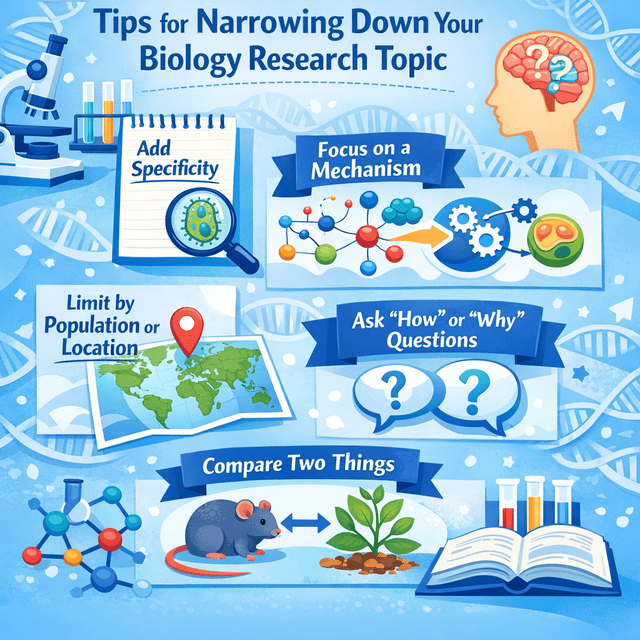 Your topic should be narrow enough to cover thoroughly in your paper's length, but broad enough that you can find sufficient sources. It's a balance, and it might take a few tries to get it right.
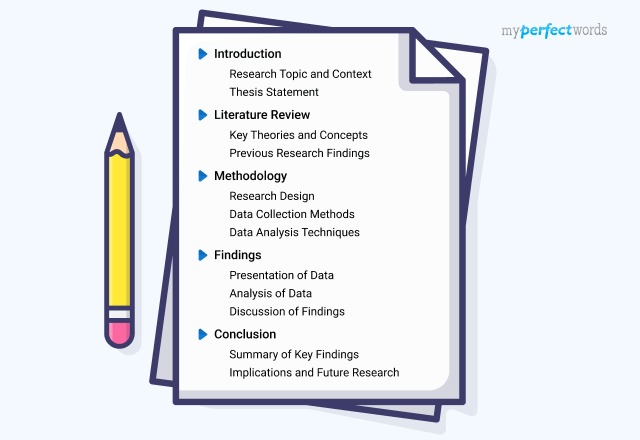
Once you've narrowed your topic, create a research paper outline to organize your ideas before you start writing.
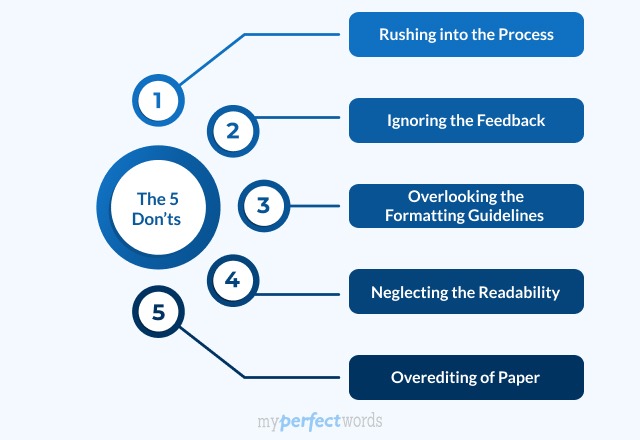
Common Mistakes to Avoid When Choosing Biology Research Topics
Students make predictable mistakes when choosing research topics. Avoid these five pitfalls, and you'll save yourself hours of frustration later.
- Picking a Topic That's Too Broad
"Evolution" or "genetics" aren't research topics. They're entire fields of study. You can't cover them adequately in a 10-page paper.
Solution: Narrow down to a specific example, mechanism, or application of the broader concept. For more help, see our guide on research paper topics.
- Choosing Topics Without Available Sources
Very new discoveries or extremely niche topics might not have enough peer-reviewed research yet. You need sources to write a research paper.
Solution: Do a quick literature search on PubMed or Google Scholar before you commit. If you can't find at least 10 relevant sources, pick a different topic. Learn more about how to find sources for a research paper.
- Selecting Topics You Don't Understand
If you can't explain the basic concepts of your topic to a friend, research is going to be frustrating. You'll spend all your time trying to understand fundamentals instead of analyzing and synthesizing information.
Solution: Choose topics at or just slightly above your current knowledge level. You want to learn something new, not start from zero.
- Ignoring Your Interests
You're going to spend weeks on this project. Reading papers, taking notes, writing drafts, revising. If the topic bores you from day one, that's going to show in your final paper.
Genuine interest shows in the quality of your analysis and writing. Pick something you actually want to learn about.
- Not Considering Scope
Even a perfectly focused topic won't work if it doesn't fit your paper length and timeline. A 5-page paper needs a narrower topic than a 20-page thesis.
Solution: Discuss your topic scope with your instructor before you've done too much research. They can tell you if you need to narrow or broaden your focus.
To avoid these mistakes, explore our guide on research paper mistakes.
Where to Find Reliable Sources for Biology Research
Once you've chosen your topic, you need credible sources to support your arguments. Here's where to find peer-reviewed, reliable information for biology research papers.
Academic Databases:
- PubMed:
Specializes in biomedical and life sciences literature. It's free and searchable.
- Google Scholar:
Broad coverage of scientific papers across all disciplines. Good for getting started.
- JSTOR:
Peer-reviewed academic journals, though some require institutional access.
Textbooks and Reference Books:
Don't skip these! They provide the foundation for understanding basic concepts and often cite primary research you can track down.
University Library Resources:
Your school library gives you access to subscription journals you can't get elsewhere. Reference librarians can also help you locate hard-to-find sources.
Scientific Organizations:
- National Institutes of Health (NIH)
- Centers for Disease Control and Prevention (CDC)
- National Science Foundation (NSF)
These organizations publish reports, data, and research findings that can support your paper.
For a complete guide on structuring your research paper once you've gathered your sources, check out our comprehensive research paper guide.
Ready to Start Your Biology Research Paper?
Don't let your research paper stress you out. Whether you need help with:
- Topic selection and research question development
- Literature review and source analysis
- Writing, editing, or formatting
- Citation and reference page creation
Get professional research paper assistance from experienced biology writers who understand what your professors are looking for.
Get Started NowConclusion
Biology research topics span an incredible range of subfields, from molecular mechanisms to global ecosystems. Whether you're studying cell biology, genetics, ecology, or neuroscience, the key is choosing a topic that balances your interests with practical research requirements.
Remember the four questions before you commit: Does sufficient literature exist? Can you narrow it down? Does it match your level? Does it genuinely interest you? These questions will guide you toward topics that work.
Your biology research paper is an opportunity to explore questions that fascinate you. The 250+ topics in this guide are starting points. Adapt them to match your specific interests, education level, and assignment requirements.
If you need help developing your research paper, our service offers 100% human writers and Turnitin proof on every order. Whether you need help choosing a topic, finding sources, or polishing your final draft, we're here to help. For more inspiration, browse our research paper examples to see what strong biology papers look like.

-20615.png)

-20655.png)
-20737.png)
-9374.jpg)


-20592.png)
 (1))
-20591.png)

-20668.png)
-20612.png)
-20657.png)


-20577.png)
-20575.png)


-20578.png)




 (2))
)
 (1))
 (1))
 (1))
 (1))
 (1))
 (1))
-20426.png)
-20431.png)
-20738.png)
-20739.png)
-20745.png)
-20755.png)